
 01243 776938
 info@jamestoddandco.co.uk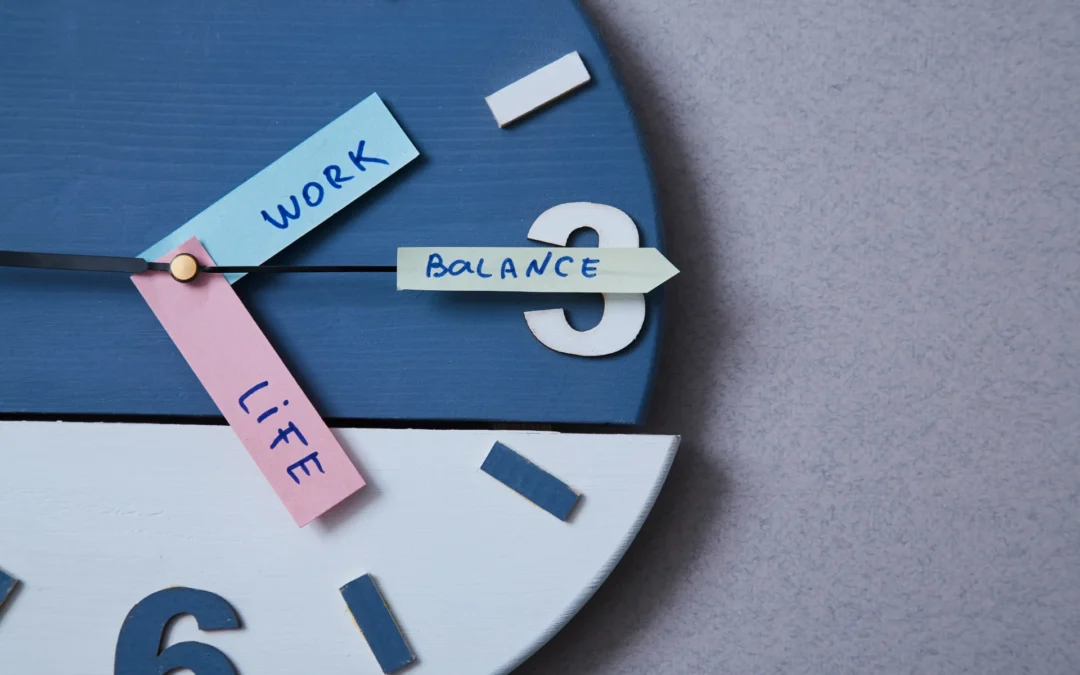
“Work–life balance” sounds sensible.
Equal time. Equal energy. Equal attention.
But if you run a business, you already know that isn’t how life works.
Growth is uneven. Deadlines cluster. Opportunities demand immediate focus. Financial decisions rarely arrive at convenient moments. Trying to maintain perfect equilibrium every week of the year is not only unrealistic – it can become another pressure point.
The real question isn’t whether your week feels balanced.
It’s whether your year is sustainable.
Business Has Seasons
Every serious business operates in cycles.
At James Todd & Co, winter is our most intensive period. Reporting deadlines tighten. Planning conversations accelerate. Year-end tax planning becomes front and centre. Clients are making decisions that shape the year ahead, and those decisions benefit from clarity and structure rather than last-minute reaction.
The work requires concentration and full attention.
Summer is different. There is more space to think strategically, reflect on performance, and step back from day-to-day urgency. It’s often when broader business planning conversations happen — not in crisis mode, but with perspective.
That isn’t imbalance.
It’s rhythm.
The danger is not intensity. The danger is intensity without an off-switch.
Why “Equal Thirds” Doesn’t Work
Work–life balance is often presented as a neat division between:
- Work
- Health
- Relationships
But running a business does not divide itself into tidy thirds.
There will be seasons where work demands more of you – preparing for sale, restructuring, securing funding, hiring key people, or navigating regulatory change. Those phases often require deeper involvement, sharper financial oversight and more deliberate strategic business advisory.
There will also be times when family or health quite rightly move to the front of the queue.
The World Health Organization identifies burnout as the result of unmanaged workplace stress. Not ambition. Not hard work. Unmanaged intensity.
Hard work, in defined periods, is part of building something meaningful.
Permanent overextension is not.
A More Practical Standard: Three Questions
Instead of asking whether everything feels balanced, ask:
- Am I protecting what matters in my health?
- Am I protecting what matters in my relationships?
- Am I doing work I am genuinely proud of?
The key word is protecting.
During peak periods, work may take a larger share of your time. But health and relationships are not abandoned – they are maintained above a minimum sustainable standard.
That might mean consistent exercise, even if shorter. Focused time with family rather than constant availability. Clear boundaries around when you are and are not accessible.
It is not about optimising every area simultaneously.
It is about preventing erosion in the areas that underpin long-term performance.
Design the Year – Don’t Judge the Week
We often see clients enter defined high-intensity phases – for example, an 18-month period preparing for exit. Those seasons are rarely balanced week to week.
But the difference between those who thrive and those who burn out is intention.
They accept the temporary pressure. They align cash flow, tax strategy and reporting cycles early. They engage in structured exit planning. And they plan recovery afterwards, rather than assuming it will happen naturally.
The alternative is treating every year as a permanent “push year.”
That approach narrows judgement, reduces strategic clarity and, over time, affects both performance and relationships.
A better set of questions is:
- Does this season make commercial sense?
- Have I protected the non-negotiables?
- Is recovery scheduled, not assumed?
Sustainable businesses are built in cycles:
Focus.
Deliver.
Recover.
Refine.
A Sustainable Approach
Work–life balance, as it is commonly described, is static.
Business and leadership are dynamic.
A more effective approach is to:
- Accept that some seasons will demand more
- Define minimum standards for health and relationships
- Work with full presence during peak periods
- Plan recovery deliberately
- Review success across the whole year, not isolated weeks
Over time, that rhythm creates something far more valuable than balance:
Longevity – personally and commercially.
How We Can Help
At James Todd & Co, we work with business owners to structure their year intentionally.
That means mapping financial pressure points in advance, aligning tax planning with cash flow cycles, scheduling key reporting milestones, and ensuring strategic decisions are made proactively – not reactively.
Whether that is ongoing business advisory, growth strategy, succession planning or preparing for eventual exit, the objective is the same: build a structure that supports sustainable success.
Because a well-run business should support your life – not quietly consume it.
If you would like to take a more deliberate approach to planning your year, we would be pleased to help you design it.
Sustainable success is rarely accidental.
It is structured.