 01243 776938
 info@jamestoddandco.co.uk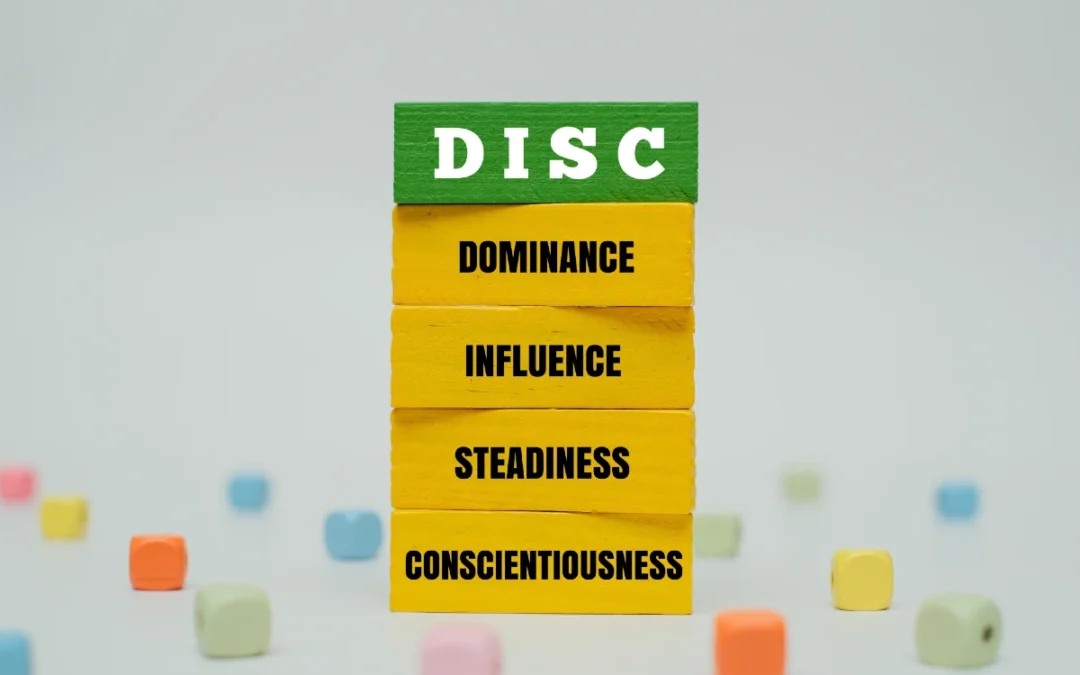
Getting the right team
Finding and recruiting talented people who fit the organisation is one of the biggest challenges faced by business owners. It takes time, energy and money to recruit well, and the cost of getting it wrong can be significant.
However, finding the right people is only part of it. Once those people are in the business, the next challenge is getting them to work effectively together. Every team contains different personalities, priorities and communication styles. When those differences are understood, they become strengths. When they are misunderstood, they can create frustration, conflict and disruption.
At James Todd & Co, we use DISC profiling as part of our business growth coaching because it gives business owners, managers and teams a practical way to understand how people work, communicate and contribute.
Why understanding personalities matters
People often assume that others think, communicate and make decisions in the same way they do. In reality, people approach work very differently. Some people naturally focus on pace, action and results. Others focus on relationships, support and communication. Some want a clear summary and decision. Others need the detail, evidence and analysis before they feel comfortable moving forward.
These differences are not a problem in themselves. In fact, they are often exactly what a business needs. Problems arise when people misread each other. A task-driven person may be seen as abrupt when they are simply focused on getting things done. A detail-driven person may be seen as slow when they are actually protecting quality and reducing risk. A people-focused person may be seen as too soft when they are helping maintain morale and engagement.
Understanding these behavioural differences helps reduce unnecessary conflict and improve communication. It also helps managers adapt how they lead individuals, rather than expecting everyone to respond to the same approach.
What is DISC?
DISC is a behavioural profiling tool that identifies four broad styles. Most people are a blend of styles, but one or two preferences usually stand out. The purpose is not to label people or decide that one profile is better than another. There are no right or wrong styles. DISC simply helps explain how people prefer to communicate, make decisions and interact with others.
| DISC style | Typical focus | Main strengths | Can be challenging when… | Best communication approach |
| D – Dominance | Results, action and control | Direct, decisive, confident and outcome-focused. | They become impatient, too blunt or frustrated by delay. | Be concise, clear and focused on outcomes. |
| I – Influence | People, ideas and enthusiasm | Positive, persuasive, energetic and relationship-led. | They lose focus on detail or become overly optimistic. | Allow interaction, discussion and space for ideas. |
| S – Steadiness | Support, consistency and loyalty | Calm, reliable, patient and team-orientated. | They avoid confrontation or struggle with sudden change. | Give reassurance, context and time to adjust. |
| C – Conscientiousness | Accuracy, quality and evidence | Analytical, organised, methodical and standards-driven. | They become overly cautious, perfectionist or slow to decide. | Provide facts, detail, evidence and clear expectations. |
DISC and recruitment
DISC can be particularly valuable during recruitment and onboarding. Technical competence, experience and qualifications are important, but they do not automatically mean someone will thrive in a particular role or team environment.
DISC should not be used on its own to decide whether someone should be recruited. It should be used as an additional insight alongside experience, values, skills and cultural fit. It can help a business understand where a person is likely to feel most comfortable, how they may respond under pressure and what support they may need to succeed.
For example, a highly dominant profile may enjoy leadership, decision-making and driving change. A highly conscientious profile may be well suited to work requiring accuracy, analysis, compliance and quality control. Understanding these natural preferences can help improve recruitment decisions, onboarding conversations and long-term retention.
Matching strengths to roles
There are always exceptions, and people should never be restricted by their profile. However, certain behavioural styles often feel more natural in particular roles because the role rewards those strengths.
A Managing Director, entrepreneur or business owner may often show strong D characteristics because those roles require pace, confidence and decision-making. Sales, marketing and business development roles often attract I characteristics because they rely on communication, energy and relationship-building. HR, client care and support roles often suit S characteristics because they require patience, consistency and empathy. Accountants, auditors, compliance professionals and analysts will often show strong C characteristics because the work demands accuracy, evidence, structure and attention to detail.
This does not mean every accountant will be a C or every Managing Director will be a D. The value is in understanding the natural strengths people bring and making sure those strengths are used well.
DISC and team dynamics
Individual DISC profiles are useful, but the greatest value often comes when profiles are completed for a whole team or management group. When a group is profiled together, patterns become visible. A business may discover that its leadership team is full of strong, fast-moving D profiles, which can create momentum but also tension. Another team may be dominated by C profiles, which can result in excellent quality but slower decision-making.
Group profiling helps people understand why some individuals work easily together and why others regularly clash. It shifts the conversation away from blame and towards understanding. Different approaches are often a reflection of behavioural preference, not poor attitude, lack of commitment or incompetence.
For managers, this insight can be invaluable. It helps them understand how to adapt their communication, how to motivate different individuals and how to reduce avoidable friction. For business owners and directors, it can strengthen leadership conversations and improve the way decisions are made.
A practical example
A common example is the Managing Director who wants a concise summary and a clear recommendation, while the Finance Director wants to understand the detail, the risk and the supporting evidence. The MD may feel progress is being slowed down. The FD may feel important issues are being rushed or overlooked.
Neither person is wrong. One is driving pace and growth. The other is protecting control and quality. When both understand the behavioural drivers behind those different approaches, the conversation becomes more constructive and the leadership team becomes stronger.
How James Todd & Co can help
At James Todd & Co, we can organise DISC profiles for individuals, management teams and wider staff groups. We can also help interpret the results so that they become practical and useful, rather than simply another report that sits in a drawer.
Used well, DISC can support recruitment, onboarding, management development, communication, team performance and staff retention. If you would like to understand your own profile, improve the way your team works together or explore how DISC could help your business, please contact us to discuss how we can help.
Business Growth Coaching Tip
Do not just focus on recruiting talented people. Focus on helping those people understand themselves, understand each other and work better together. A team that communicates well and plays to individual strengths is often happier, more productive and better placed to grow.